24 GENNAIO 2057
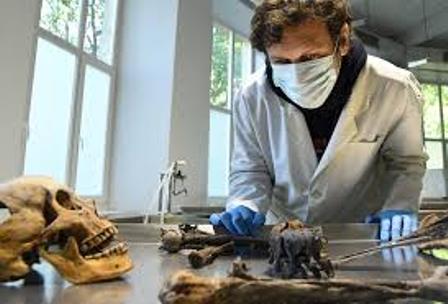
Sarà il titolo del libro che verrà scritto da un ricercatore, scrittore di storia vissuta dai posteri nel 1900 sulla torneria del legno.

Questo l’ho pensato la scorsa settimana! Nell’attimo in cui l’ho pensato, ho riso, mi sembrava di rivivere una cosa già accaduta, ho pensato la realtà del nostro futuro ed allora mi sono detto: ma non potrei scrivere oggi quello che scriverebbe lo scrittore nel 2057 pensando a noi nel 1900??
Pensate che oggi si scrive sui lavoratori Bergamaschi nelle miniere del Belgio nel 1950; si scrive delle cave di calcare nero nella Valle Seriana (Gazzaniga), le ultime attività estrattive risalgono al 1960; si scrive la vita rurale e dei boscaioli in Valle di Scalve del secolo scorso (1900); Ma chi ricorderà ai nostri nipoti la storia dei tornitori e dei costruttori di torni delle Valli Bergamasche?
NOI, se scriviamo oggi la nostra storia, se la precediamo,se la immaginiamo.
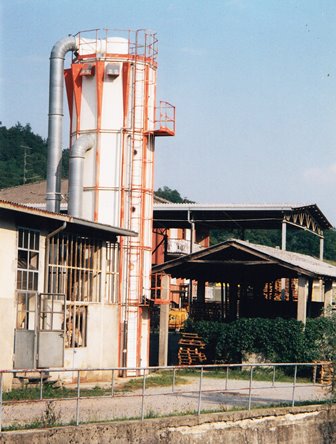
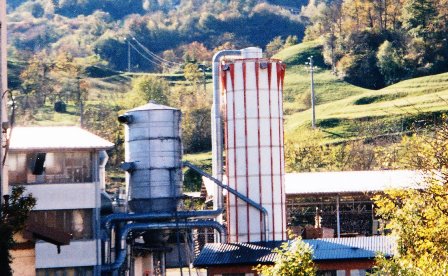
La prima cosa da fare è raccogliere i nomi delle aziende, le fotografie dei siti attuali, come sono oggi, perché sicuramente fra 50 anni saranno diversi o forse scomparsi!….e forse anche prima!!!…
La pubblicazione deve contenere una mappa dei siti produttivi della lavorazione del legno.
-
La visita diretta potrà essere un momento di riflessione molto interessante
Tutto dovrà fare capire quanto il nostro lavoro sia radicato nella vita di questa categoria artigiana.
Le nostre risposte dovranno interessare le future generazioni che si chiederanno: chi erano i tornitori cresciuti negli anni ‘60-’70, cosa facevano? Come lavoravano?…e….cosa facevano prima…
.
Ed oggi?? (2057) cosa è rimasto?? E così, si potrà fare rivivere nella storia il grande boom economico degli anni del dopoguerra, delle piccole crisi degli anni ‘80-’90 e per finire la grande trasformazione del nuovo secolo; ognuno di noi sarà ricordato per quello che era, per quello che ha fatto: piccole o grandi cose, ma sarà ricordato!
Scritto nel Febbraio 2007
English Version
Artisan Turning Archaeology – 24 JANUARY 2057 –
This is the title of a book to be written by a researcher and writer of history from 1900 on wood turning.
This is what I thought last week! When I thought about it I laughed; it seemed that I was reliving something that had already happened; I thought about the reality of our future and said to myself – but couldn’t I write about things that a writer in 2057 would write about us in 1900??
Today we write about Bergamask workers in Belgian mines in 1950; we write about the black limestone caves of Valle Seriana (Gazzaniga), which were last mined in 1960; we write about the rural life of the woodsmen of Valle di Scalve of the last century (1900), but who will tell the story of the wood turners and lathe constructors to our grandchildren?’
WE will, if we write about our history today… if we anticipate it… if we imagine it…!!
The first thing to do is gather the names of companies, the photographs of actual production sites “as they are today”, because, most certainly, in 50 years, or earlier, they will be different or have even disappeared!
The book must contain a map of the woodworking production sites.
- A direct visit could be a very interesting moment of reflection
It should convey how our work is rooted in the life of this artisan sector.
Our answers should pique the interest of the future generations who will ask themselves: who were the wood turners of the sixties and seventies? What did they do? Where did they work and what did they do before?
And today?? (2057) what is left?? In this way, readers could experience the great economic boom of the post-war years, the small economic crises of the eighties and nineties, and lastly the transformation of the new century. Each of us would be remembered for what we were or what we had done: big or small, but still remembered…!
Written in February 2007


 I Kafiri del XX secolo