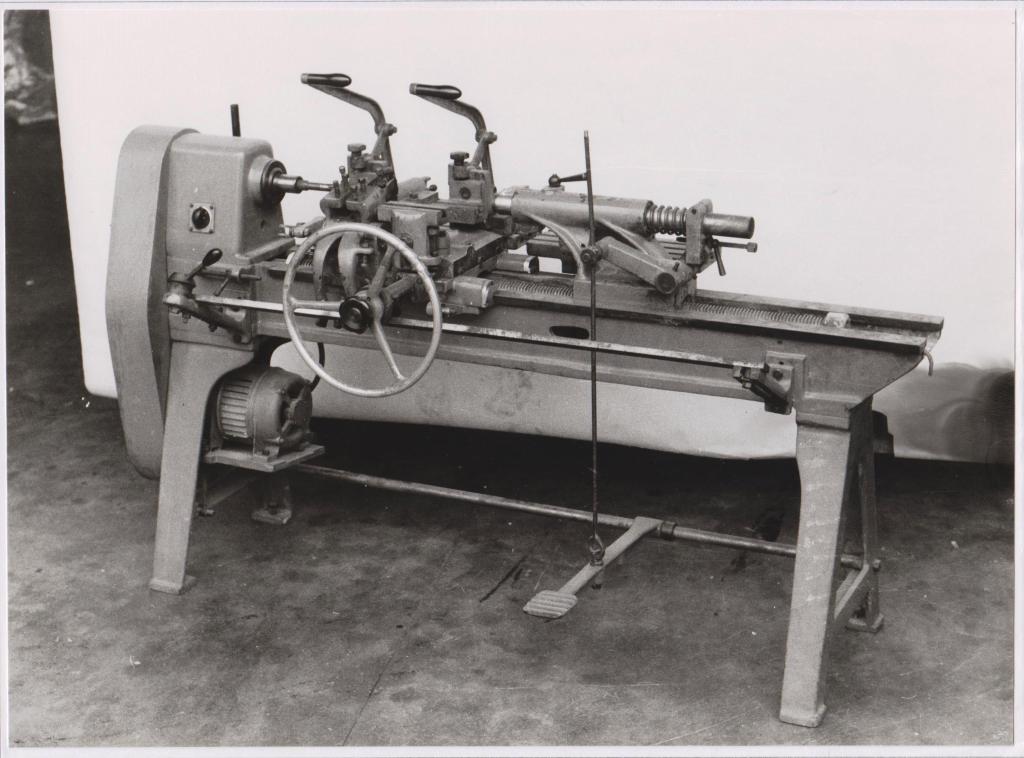
1954 – 1982
Anno più, anno meno, questi sono stati i trent’anni del cambiamento e della ristrutturazione nelle tornerie del legno in Italia, in Europa e nel resto del mondo.
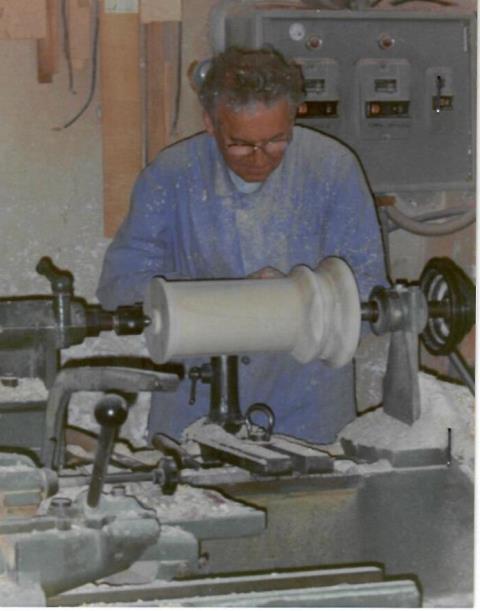
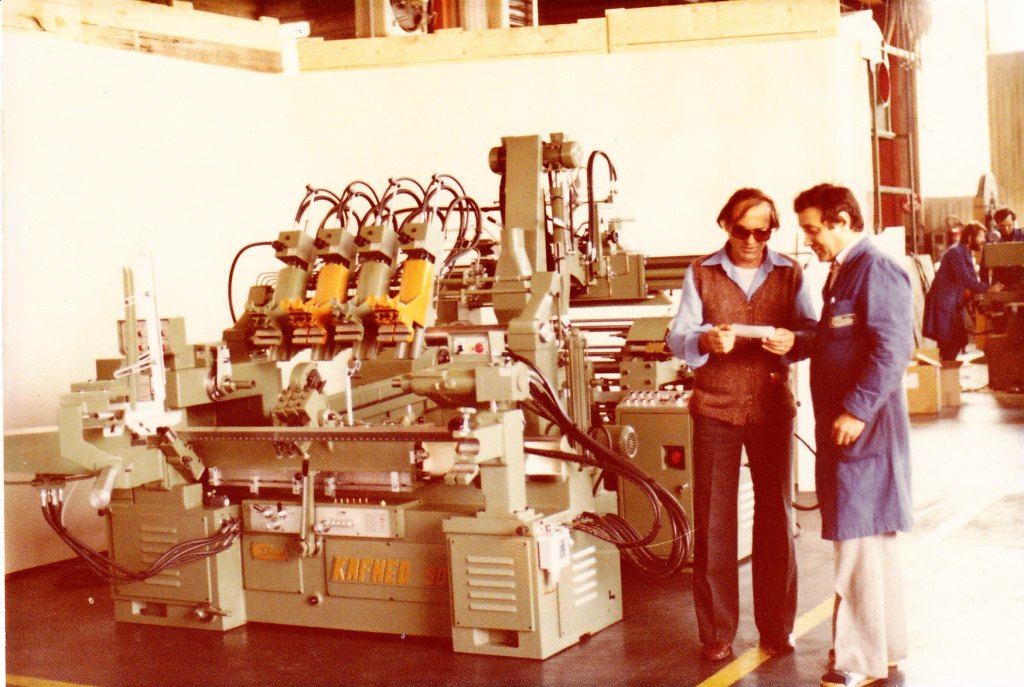
Dalla tornitura manuale con scalpello si passò alla tornitura con macchine oleodinamiche, poi automatiche con caricatore, poi con transfer e manipolatori.
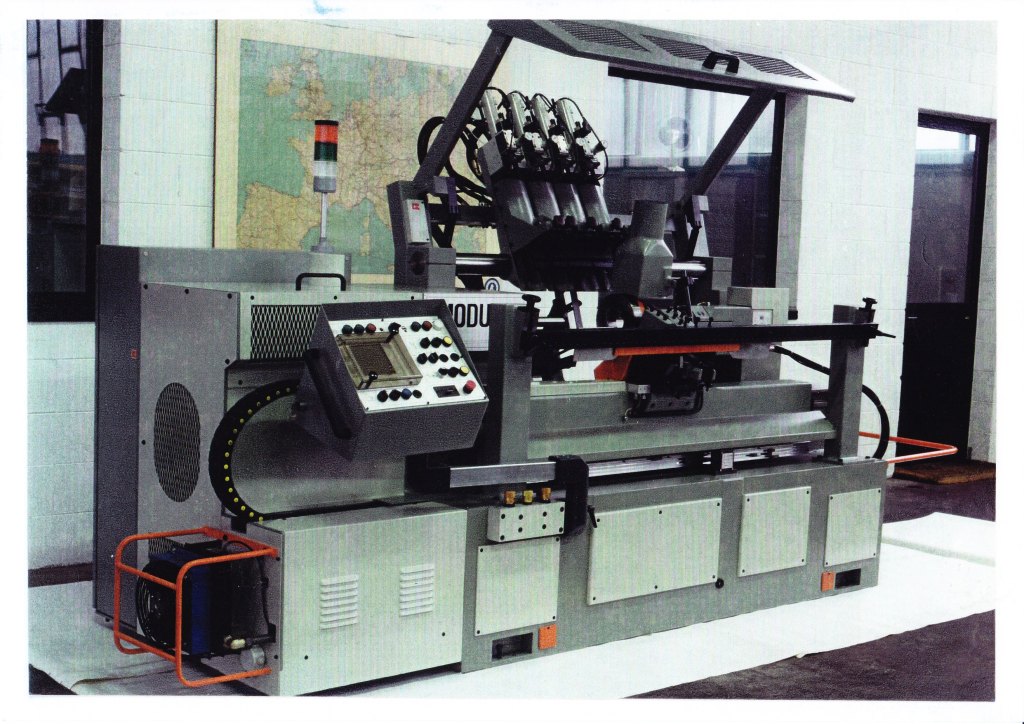
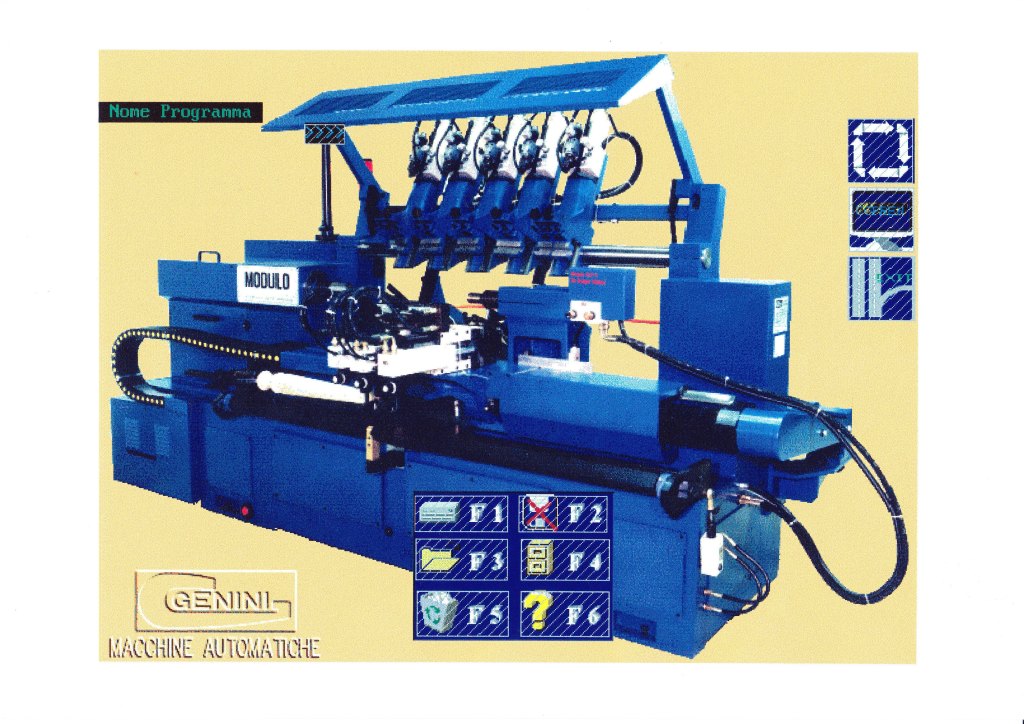
La corsa fra costruttori di macchine era tecnica … gli studi, le prove, i prototipi: le novità si succedevano di fiera in fiera: Milano – Hannover – Parigi – Valencia – Zagabria – Salonicco e poi Australia – Stati Uniti – Canada – Sud America …
Con il tempo, la necessità di manodopera diminuiva. Nonostante ciò i costi aumentavano (la produzione di carta aumentava negli uffici, mentre la produzione di prodotto diminuiva nei laboratori), la materia prima diventava sempre più difficile da reperire …la maturità ecologica creava un senso di colpa per l’utilizzo del legno e per finire … I DESIGNERS … affondavano l’arma nella ferita, incuranti del destino di uno stile.

1982 – 2004
1982 è stato l’anno della grande crisi per i costruttori di torni per la lavorazione del legno; si preannunciavano anni di difficoltà e incertezza e quattro anni dopo, nel 1986, le quattro aziende Italiane allora più importanti, si riunirono più volte per discutere e cercare una soluzione che doveva sfociare in una collaborazione tecnica, produttiva e commerciale.
L’idea precorreva i tempi delle grandi unioni industriali … peccato che per motivi egocentrici di alcuni, non si concretizzarono le aspettative del gruppo.
Negli anni successivi, la crisi fu confermata dalla chiusura di alcune aziende del settore in Italia, in Germania, in Austria, in Spagna …
Dieci anni dopo, nel 1996, ancora tre costruttori Italiani tentarono di costituire un gruppo per contrastare le difficoltà commerciali legate ai costi.
Sicuramente la volontà era forte e precisa ma anche questa volta, il progetto non si concretizzò.
Nel frattempo, le aziende, nella illusione di tornare agli antichi albori, perdevano a poco a poco le proprie forze produttive, tecniche, commerciali e finanziarie …
Nel 2004, tutte le aziende sono in difficoltà.
Per i prossimi anni si preannunciano gravi crisi e grandi cambiamenti …
Vedremo gli sviluppi …!!
Scritto nel Aprile 2004
English Version
THE CYCLE OF THE LATHE PRODUCT
1954 – 1982
Give or take a year, these thirty years were a period of change and restructuring of wood turning factories in Italy, Europe and the rest of the world.
From manual turning with a chisel, turning processes began using lathes with hydraulic machines, then automatic machines with loader, and later transfer machines with manipulators. The competition between machine constructors was all about technical innovation: research, testing and prototypes. New products were launched at each trade fair: Milan – Hanover – Paris – Valencia – Zagreb – Thessaloniki and then Australia – United States – Canada – South America…
Over time, the need for labour diminished. In spite of this, costs increased (the production of paper increased in offices, while product manufacturing decreased in workshops), raw materials became increasingly difficult to find, ecological awareness created a sense of guilt in using wood, and lastly, DESIGNERS rubbed salt into the wound, having no regard for the destination of a style.
1982 – 2004
1982 was the year of significant problems for woodturning lathe constructors. It was the start of years of difficulty and uncertainty. Four years later, in 1986, the four most important Italian companies of that era met several times to discuss and find a solution that might result in technical, productive and commercial collaboration.
This idea anticipated the era of the great industrial unions. It was a pity that due to the selfish reasons of a few, the hopes of the group were not realised.
Over the next few years, the crisis was confirmed by the closing of several companies in the sector in Italy, Germany, Austria and Spain.
Ten years later, in 1996, three Italian constructors again tried to create a group to counter commercial difficulties linked to costs.
Certainly their will was strong and firm, but again this time the project came to nothing. In the meantime, companies, under the illusion of returning to old times, little by little lost their productive, technical, commercial and financial forces. In 2004, every company was in difficulty. Over the next few years, we anticipate serious problems and great change.
We await developments!!
Written in 2004


 I Kafiri del XX secolo